

Discover the latest trends in global monthly funding data, with a unique focus on companies’ domain name choices, in our monthly funding reports.
Overview
The March 2026 monthly funding report marks a sharp shift from February, with total funding falling to $34.3 billion across 633 deals, compared to $174.5 billion across 560 deals. The decline is largely explained by the absence of mega-rounds that heavily influenced previous months, revealing a more balanced and broadly distributed investment landscape.
| Round | Amount February (USD) | Number deals February | Amount March (USD) | Number deals March |
| Pre-seed funding | 110,052,390 | 50 | 139,292,107 | 53 |
| Seed Round | 1,110,900,800 | 170 | 3,027,402,600 | 202 |
| Series A | 4,586,600,000 | 142 | 5,269,156,000 | 167 |
| Series B | 3,629,440,000 | 59 | 5,199,120,000 | 77 |
| Series C | 1,507,790,000 | 24 | 5,926,200,000 | 43 |
| Series D | 3,579,180,000 | 11 | 3,917,200,000 | 13 |
| Series E | 5,222,300,000 | 6 | 1,399,000,000 | 7 |
| Other | 154,760,065,000 | 98 | 24,877,370,707 | 71 |
| Total | 174,506,328,190 | 560 | 34,321,240,707 | 633 |
Funding Activity by Number of Deals
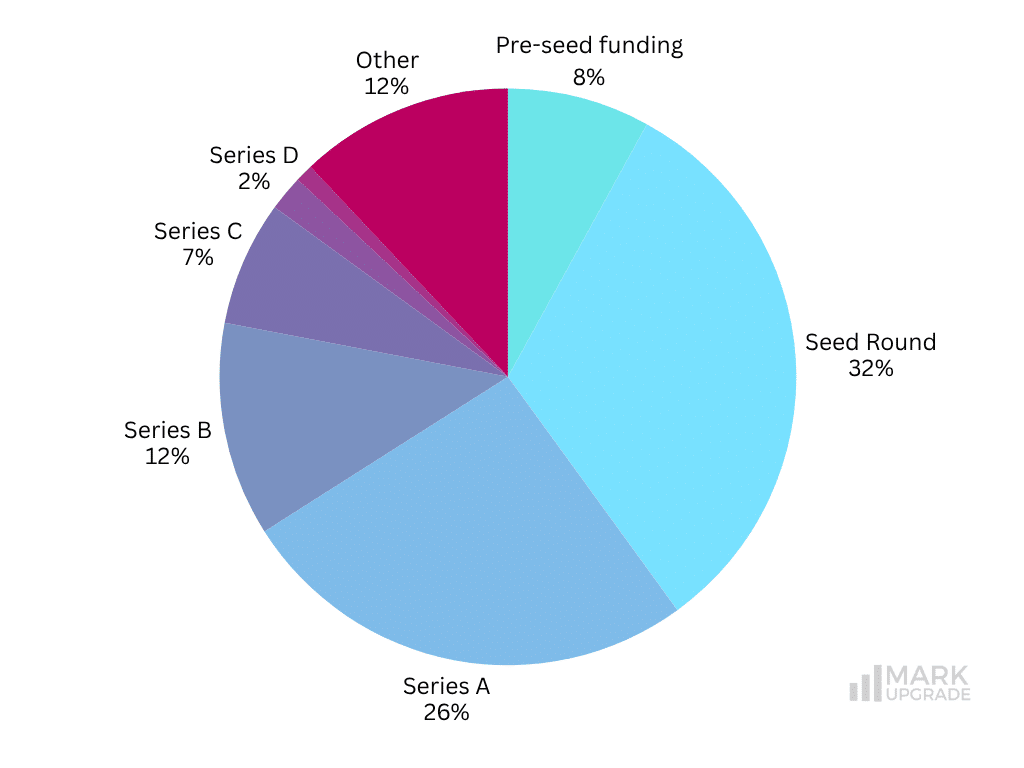
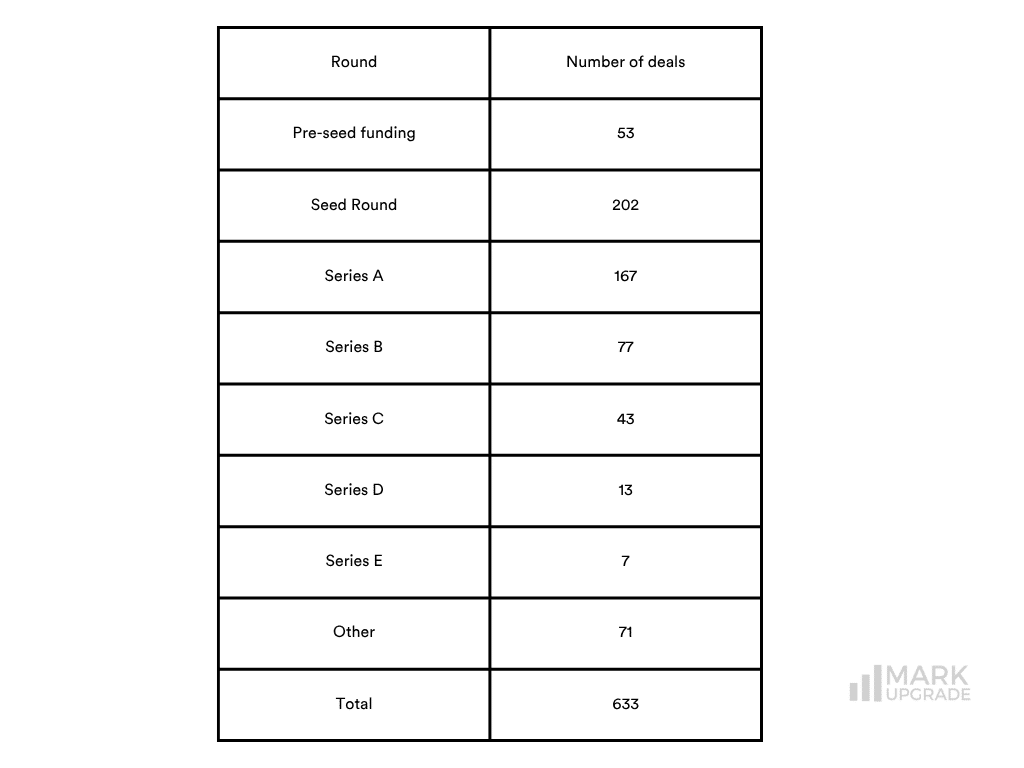
The 633 deals recorded in March 2026 show increased participation across both early and mid-stage rounds compared to February.
Key observations:
Pre-seed deals rose slightly from 50 to 53, while seed climbed to 202 deals and Series A to 167, pointing to stronger early-stage engagement.
Mid-stage rounds expanded, with Series B increasing to 77 deals and Series C to 43, indicating improved support for companies moving beyond initial growth.
Late-stage activity remained limited, with only modest increases in Series D and E deal counts, suggesting continued caution at the top end of the market.
Funding Distribution by Round
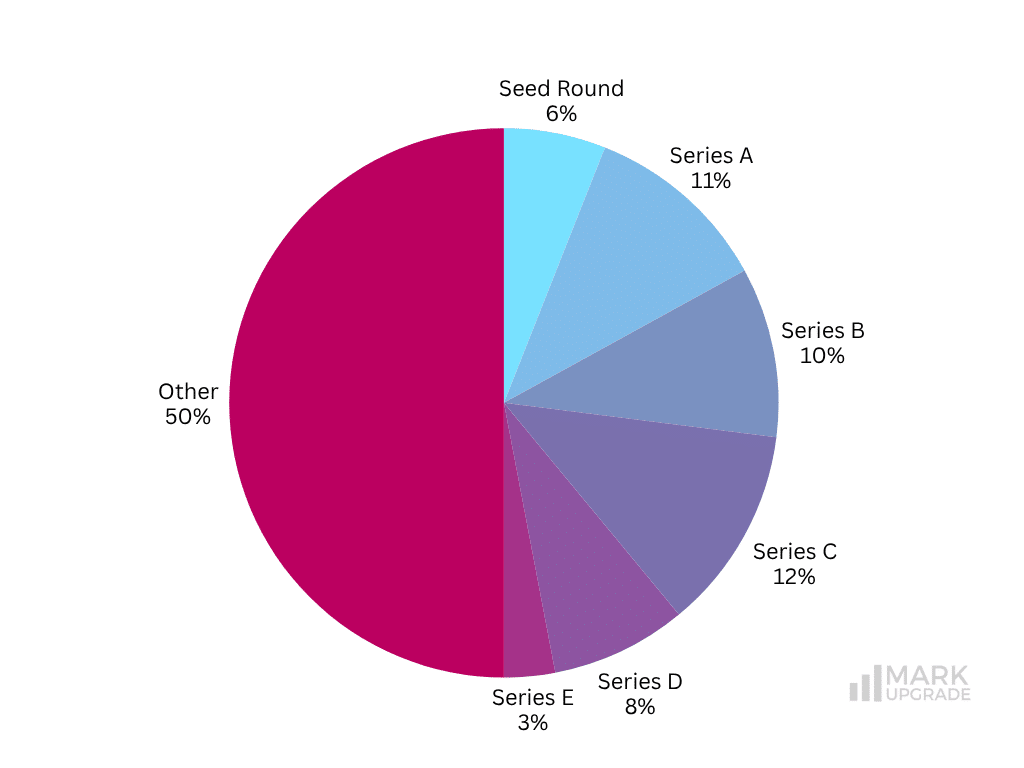
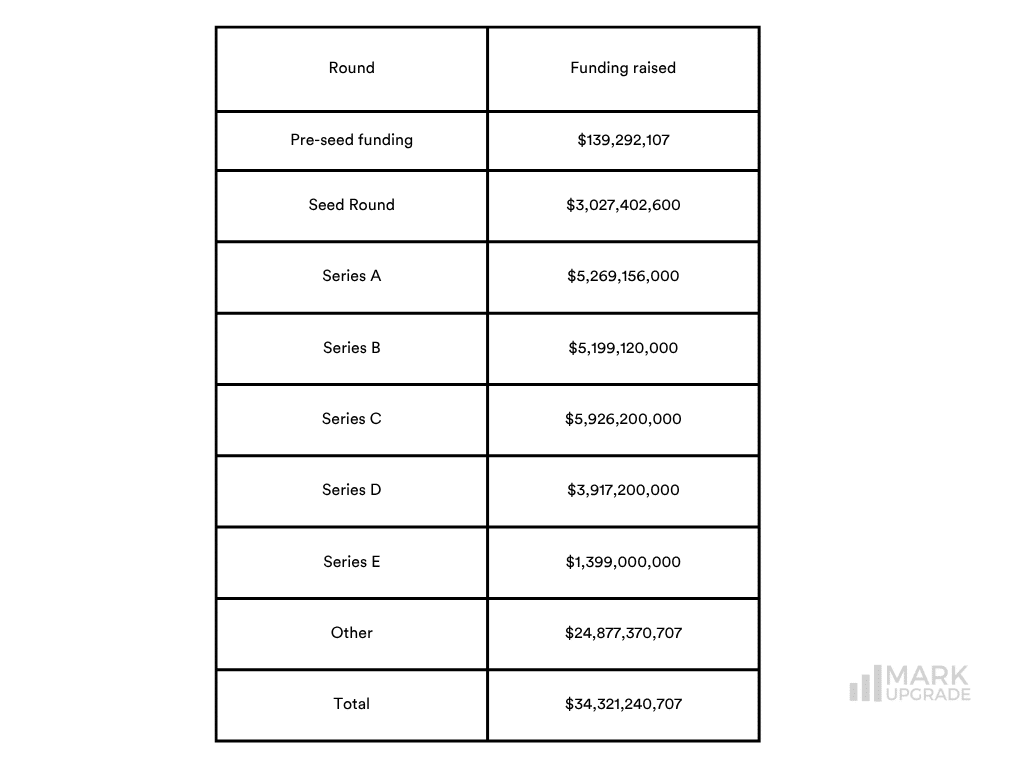
Total funding in March reached $34.3 billion, a sharp decline from February due to the absence of exceptionally large transactions.
Key observations:
Funding increased across seed, Series A, and Series B, showing a shift toward earlier-stage capital deployment.
Series C rose significantly to $5.93 billion, more than doubling from February, marking a recovery in later growth-stage funding.
In contrast, Series E dropped to $1.4 billion, indicating reduced appetite for very large late-stage rounds.
Overall, March reflects a more balanced market, with funding distributed across a wider range of companies. This suggests a return of investor interest in earlier-stage opportunities, where there is greater willingness to take risk and capture long-term growth potential, following a quarter heavily influenced by a small number of AI-driven mega-rounds.
From a broader perspective, Q1 2026 was still dominated by AI and mega-rounds, with companies like OpenAI ($122B), Anthropic ($30B), xAI ($20B), and Waymo ($16B) accounting for a large share of total venture capital. Against this backdrop, March stands out as a normalisation month, where capital distribution became more diversified after an exceptional start to the year.
Political & Economic Influence (Global)
March was shaped by rising geopolitical tensions, particularly in the Middle East, which disrupted energy markets and increased inflation expectations globally. Oil prices climbed sharply, raising concerns about prolonged inflation and weaker growth, with economists warning of stagflation risks as higher costs coincided with slowing economic activity.
At the same time, global growth remained uneven. While some regions showed resilience, business confidence weakened due to supply chain risks, higher input costs, and ongoing uncertainty. Financial conditions tightened, with markets becoming more risk-averse and capital more selective.
Impact on funding:
The uncertain macro environment reduced appetite for large, concentrated investments, contributing to the absence of mega-rounds. Capital shifted toward a broader range of companies, with investors spreading risk and focusing on earlier and mid-stage opportunities rather than committing to a few dominant deals.
Political & Economic Influence (U.S.)
In the U.S., inflation rose to around 3.3% in March, largely driven by higher energy prices linked to geopolitical tensions. This reinforced expectations that the Federal Reserve would delay rate cuts, maintaining a tighter monetary environment.
Economic signals were mixed. Growth showed signs of slowing, while labour markets remained relatively stable. At the same time, rising costs and policy uncertainty, combined with limited room for monetary easing, kept investors cautious.
Impact on funding:
Higher inflation and prolonged interest rate pressure reduced support for large late-stage rounds, particularly at the Series E level. Investors instead favoured earlier-stage deals, where entry valuations are lower and long-term upside is greater, aligning with the broader shift toward seed, Series A, and Series B investments observed in March.
Key Investment Sectors in March 2026
March funding was led by artificial intelligence, covering areas such as AI infrastructure, SaaS, robotics, automation, cybersecurity, and cloud computing. Strong investment also went into biotechnology and healthcare, including medical devices and AI-driven health solutions. Fintech, transportation and logistics, and cybersecurity remained important sectors, alongside continued interest in renewable and clean energy. At the same time, aerospace, drones, and autonomous systems attracted attention, reflecting sustained interest in deep tech and next-generation technologies.
Domain Name Highlights
The .com extension remains the dominant choice, used by 378 companies, confirming its position as the most trusted and globally recognised domain. Short, exact brand match .com domain names continue to support strong positioning, helping startups build credibility with customers, investors, and media while maximising marketing efficiency.
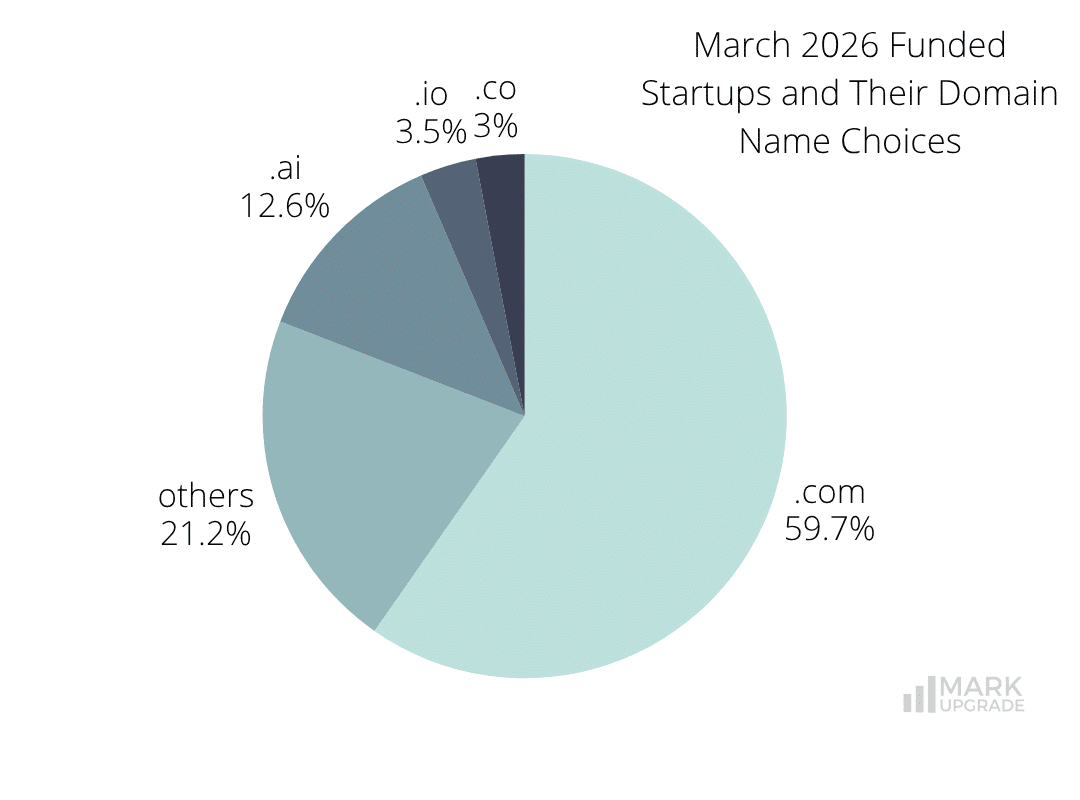
The .ai extension, used by 80 companies, continues to grow in popularity due to its association with artificial intelligence. While highly relevant for AI-focused startups, it can become restrictive as companies expand beyond this niche.
.io domains appear in 22 cases. Originally the country code for the British Indian Ocean Territory, .io has become closely associated with tech startups due to its link to “input/output,” although its long-term positioning and governance have raised questions.
The .co extension, used by 19 companies, originated as the country code for Colombia and has evolved into a generic alternative often interpreted as “company” or “corporation,” though it still competes with the default expectation of .com.
A total of 134 companies use other extensions, typically reflecting availability constraints, regional focus, or niche positioning rather than a primary branding strategy.
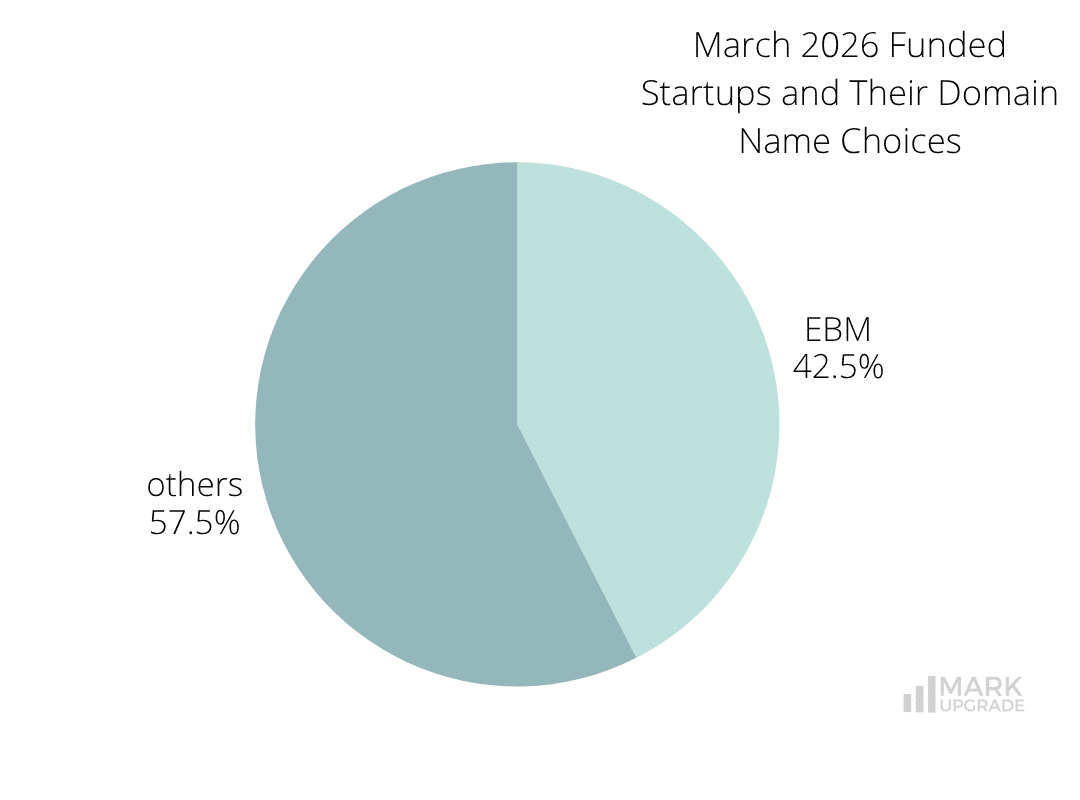
Exact brand match (EBM) domain names are used by 269 startups, reflecting a clear preference for owning the exact version of the brand name. This approach improves discoverability, reduces the risk of traffic leakage, and strengthens long-term brand equity.
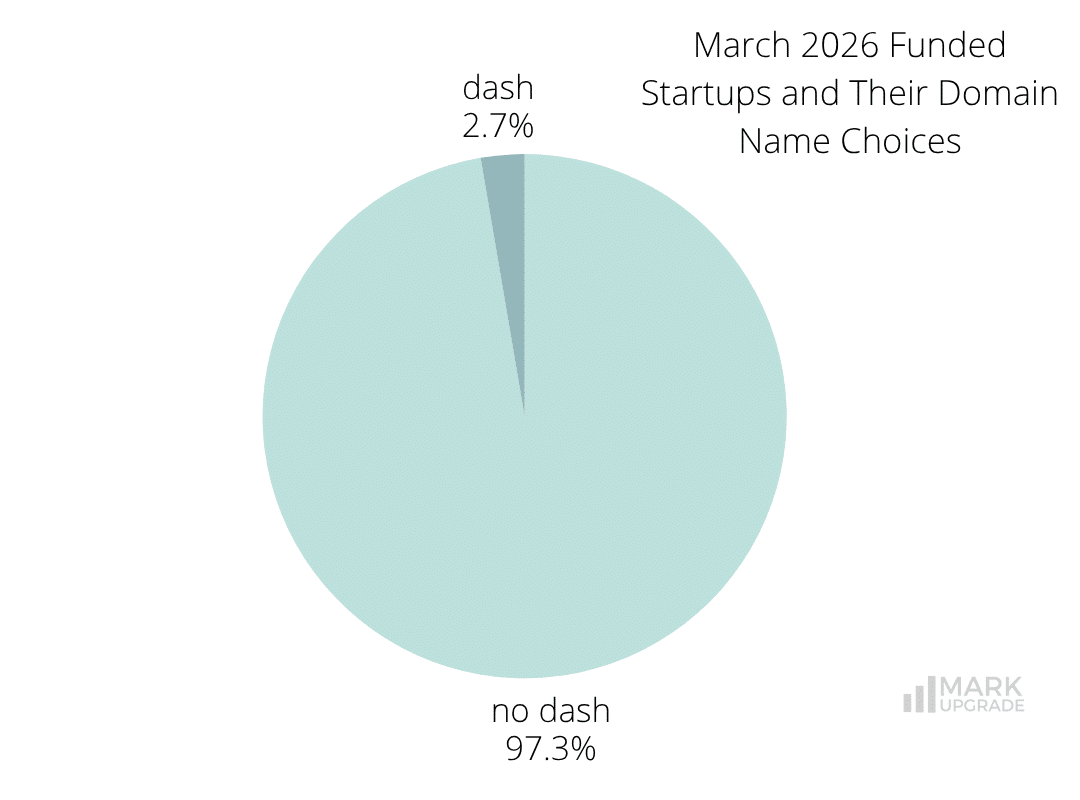
Only 17 companies use hyphenated domains, which are generally a compromise when the exact name is unavailable, as they can create usability challenges and increase the likelihood of user confusion.
Namepicks
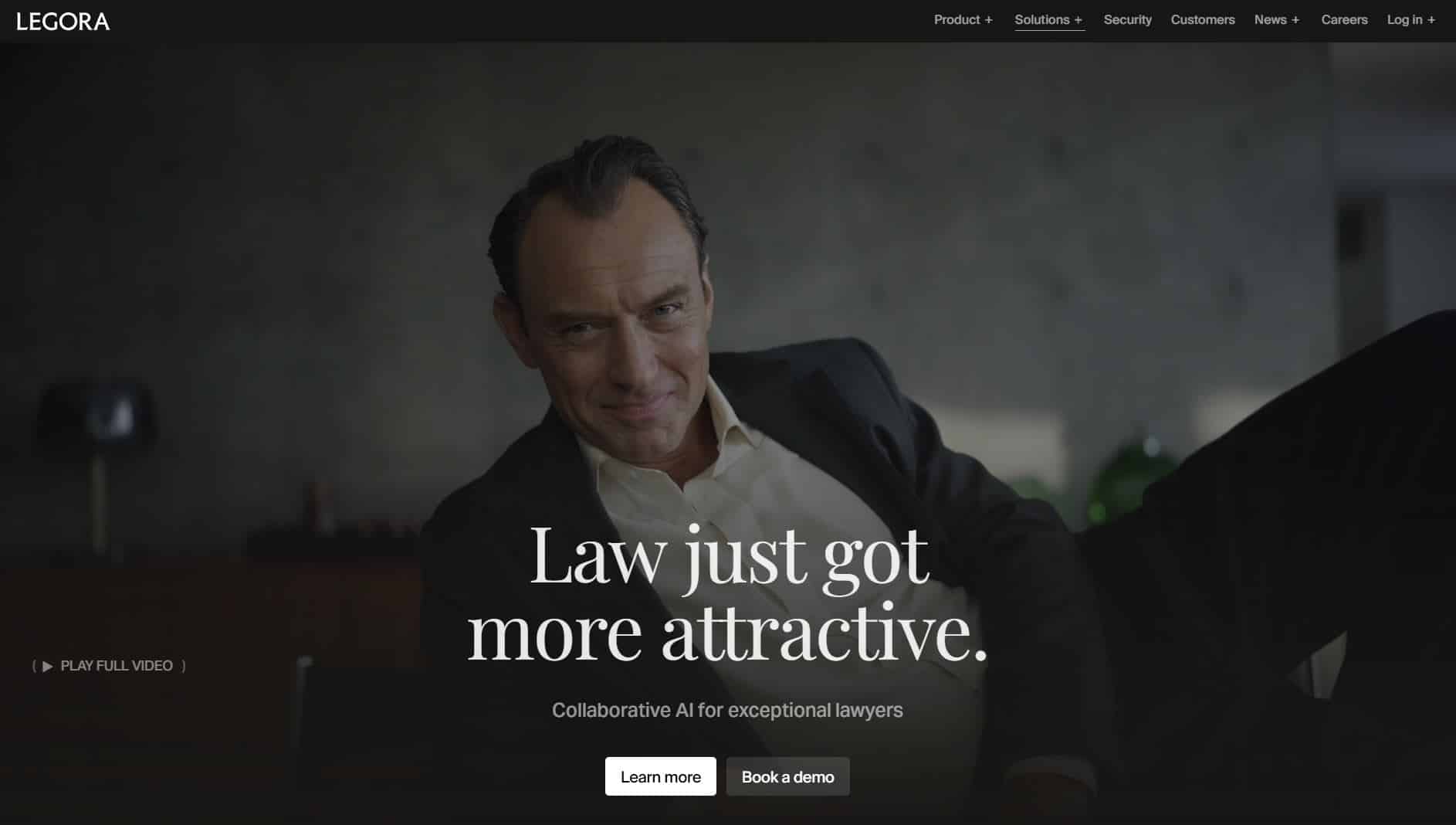
Legora
Industry: AI, LegalTech
Funds Raised: $550,000,000 Series D
Legora is a legal AI platform that helps lawyers improve productivity through collaborative tools and AI-driven insights, designed to streamline legal workflows and enhance decision-making.
The company’s funding is focused on expanding its platform capabilities, accelerating product development, and scaling adoption among law firms and enterprise clients.
Previously operating as Leya, the company recently rebranded to Legora, a name derived from Latin meaning “to bring things together’’, reflecting its focus on collaboration within legal work.
Legora operates on Legora.com, an EBM domain name that strengthens its credibility, improves discoverability, and ensures a consistent and trusted digital presence following the rebrand.
WHOOP
Industry: Wearables, Fitness
Funds Raised: $575,000,000 Series G
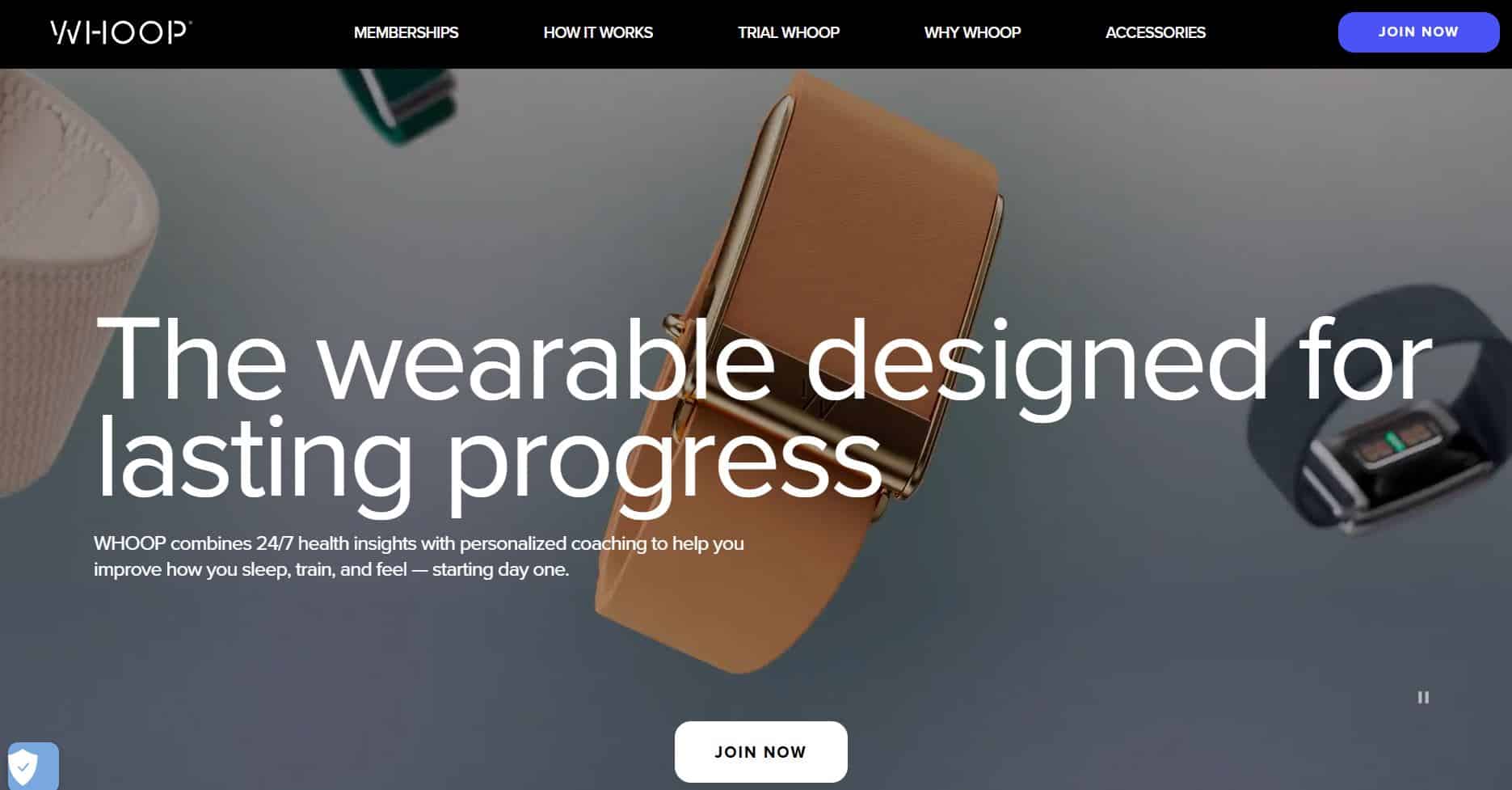
WHOOP is a health technology company that develops advanced wearable devices designed to improve fitness, recovery, and overall performance. Its screen-free wearable continuously tracks key metrics such as heart rate variability (HRV), sleep quality, strain, and recovery, helping users make data-driven decisions about their health.
The $575 million Series G funding will support continued product innovation, expansion of its wearable ecosystem, and global growth, as demand for personalised health and performance tracking continues to rise.
Founded in 2012 by Will Ahmed, the company was built on the idea of unlocking deeper insights into human performance through continuous data tracking. The name “WHOOP” originates from a phrase Ahmed used before competitions, capturing energy, intensity, and performance, core elements of the brand.
WHOOP operates on WHOOP.com, an Exact Brand Match domain name that reinforces its strong global presence and ensures a direct, memorable connection between the brand and its online identity.
Verily
Industry: Analytics, Health Care
Funds Raised: $300,000,000 Series D
Verily is a health technology company focused on using data analytics and advanced research to improve healthcare outcomes. The company develops tools and platforms that support clinical research, disease detection, and patient care through data-driven insights.
The $300 million Series D funding will be used to expand its healthcare solutions, scale research initiatives, and further integrate data analytics into clinical and real-world applications.
Verily operates on Verily.com, an exact brand match domain name that supports strong brand recognition and ensures a consistent and trustworthy digital presence.

Uzum
Industry: E-commerce, Fintech
Funds Raised: $130,000,000 Series C
Uzum brings together e-commerce and financial services into a single digital platform, allowing users to shop, pay, and manage transactions seamlessly within one ecosystem.
With $130 million raised in Series C, the company is focused on scaling its marketplace, expanding fintech offerings, and strengthening its position in fast-growing digital commerce markets.
The brand name “Uzum” stands out for its brevity and adaptability, making it easy to remember and effective across different languages and regions.
The company operates on an EBM domain name, Uzum.com, that supports strong brand recall and ensures users can easily find and trust the platform online.
Saronic
Industry: AI, Autonomous vessels
Funds Raised: $1,750,000,000 Series D
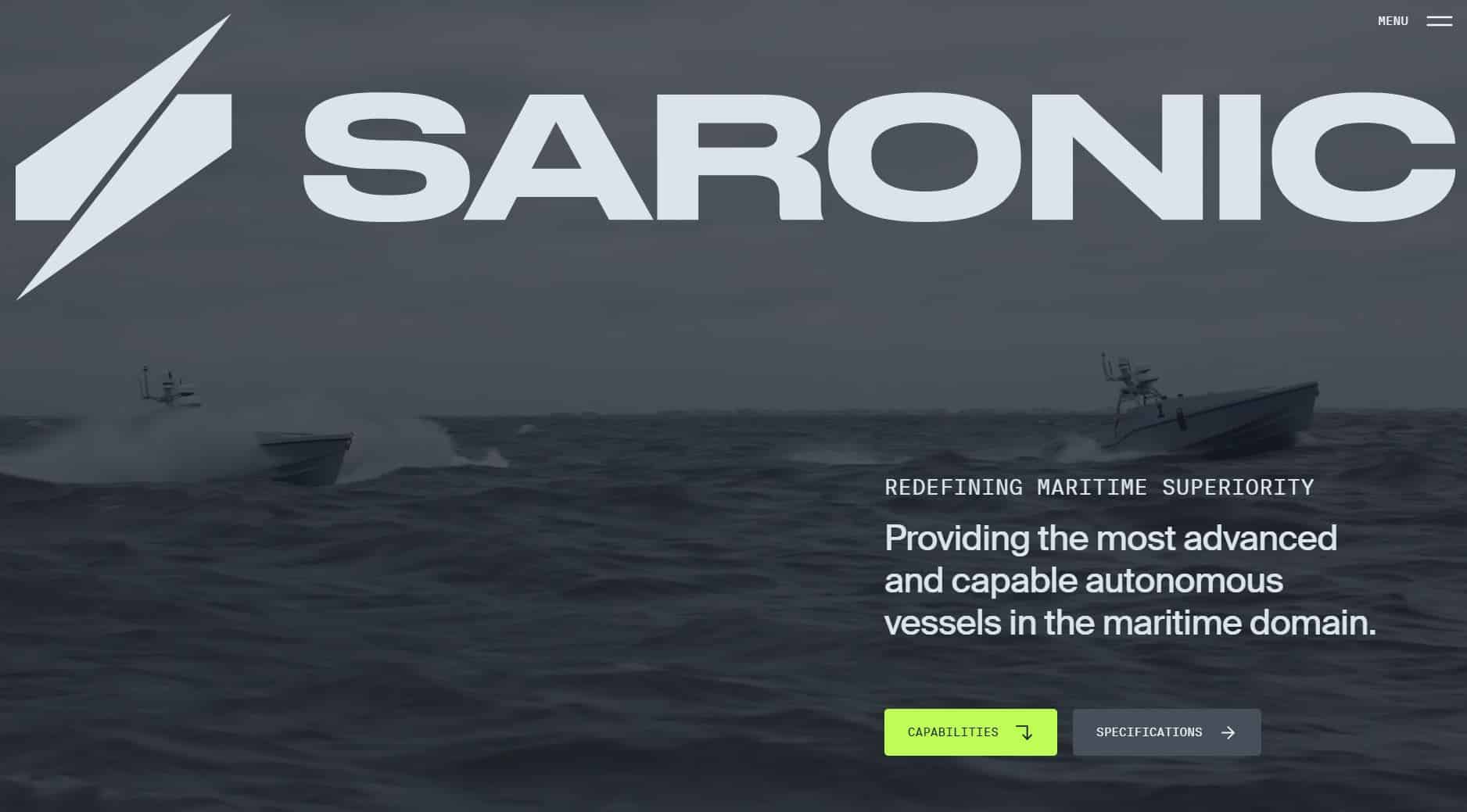
Saronic develops autonomous surface vessels powered by artificial intelligence, designed to support defense, security, and maritime operations. Its technology focuses on enabling fleets of unmanned ships to operate efficiently in complex environments, reducing risk and increasing operational capability.
The $1.75 billion Series D funding will be used to scale production, advance autonomous navigation systems, and expand deployment across defense and commercial maritime sectors.
The name “Saronic” references the Saronic Gulf in Greece, a region historically linked to naval activity, giving the brand a strong maritime association while maintaining a distinctive and sophisticated tone.
Saronic operates on Saronic.com, an EBM domain name that reinforces its positioning and provides a clear, direct connection between the company and its digital presence.
The right domain name is an important consideration when it comes to building and protecting your brand. If you’re ready to take the next step and invest in a perfect domain name for your business, contact us to learn more about our available options and how we can help you get started.

Other resources
branding business domain domain name domain names domains funding naming
Previous Next